Weight Watchers Classic Points Chart: Point Values for Everyday Foods
A clean, easy-to-scan reference for the legacy WW Classic Points system, covering more than 70 everyday foods across fruits, vegetables, proteins, dairy, grains, sweets, and drinks.
If you are working from an older cookbook, a printout a friend passed on, or a pre-2016 Weight Watchers recipe, there is a good chance it is built around the Classic Points system (also called Original Points). Even though WW has long since moved on to newer tracking systems, the Classic Points values are still the easiest way to compare everyday foods at a glance, especially if you want a quick sense of how portion size affects the bottom line.
This chart gathers the Classic Points values for more than 70 common foods into one organized reference. Use it to scan what you are about to eat, compare similar foods side by side, and spot the smart swaps that let you keep meals flavorful and satisfying while trimming unnecessary points.
| How to Use This Chart Find the food, check the portion size, and read the Classic Points value in the right column. Values are rounded and are best used as a general reference, not an exact measurement. If your portion is double the size listed, the points roughly double too. |
Fruits
Fresh fruit is one of the easiest wins on any points plan. Most whole fruits land at 0 or 1 Classic Points per serving and bring fiber, water, and natural sweetness that helps you feel full on fewer calories. Dried fruit and avocado are the two fruits that punch above their weight, so keep portions modest there.
| Food | Portion | WW Classic Points |
| Apple | 1 medium (100 g) | 0 |
| Pear | 1 medium | 1 |
| Orange | 1 medium | 1 |
| Mandarin | 1 medium | 1 |
| Grapefruit | 1 whole | 2 |
| Pomelo | 1 medium | 3 |
| Peach | 1 medium | 1 |
| Nectarine | 1/2 fruit | 0 |
| Plums | 2 small | 1 |
| Kiwi | 1 medium | 1 |
| Mango | 100 g | 1 |
| Pineapple | 100 g | 0 |
| Papaya | 1 small | 0 |
| Strawberries | 100 g | 0 |
| Mixed berries | 1 cup | 1 |
| Cherries | 1 cup | 1 |
| Grapes | 100 g | 1 |
| Avocado | 1/4 fruit | 2 |
| Dried fruit, mixed | 1/4 cup | 2 |
Vegetables
Non-starchy vegetables are the true workhorses of a points-friendly kitchen. Almost everything raw or lightly cooked comes in at 0 points, which means you can build generous, flavorful plates without worrying about the tally. For a deeper dive into building meals around vegetables, the Harvard Healthy Eating Plate is a solid starting point, roughly half your plate vegetables, a quarter lean protein, and a quarter whole grains.
| Food | Portion | WW Classic Points |
| Broccoli, raw or cooked | 1 cup | 0 |
| Cauliflower | 1 cup | 0 |
| Cabbage, all types | 100 g | 0 |
| Carrots | 1 cup | 0 |
| Cucumber | 1 medium | 0 |
| Onion, raw | 1 cup | 0 |
| Eggplant | 1 medium | 0 |
| Tomato | 1 medium | 0 |
| Green salad, mixed | 1 bowl | 0 |
| Green beans | 1/2 cup | 0 |
| Peas | 1 cup | 1 |
| Olives | 10 large | 1 |
| Canned corn | 2 tbsp | 1 |
| Tomato juice | 1 cup | 0 |
| Tomato soup | 1 cup | 2 |
| Cabbage soup | 1 bowl | 2 |
| Vegetable chicken soup | 1 cup | 2 |
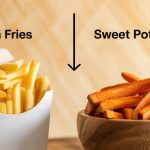
| French fries, fast food | 1 average portion | 10 |
Proteins: Meat, Poultry, and Fish
Lean proteins are where portion size and preparation method make the biggest difference. A 100 g skinless chicken breast comes in at 3 points, while a large fast-food hamburger lands at 13. Searing, roasting, grilling, and poaching all keep the points low. Breading, frying, and heavy sauces are the quickest ways to push them up.
| Food | Portion | WW Classic Points |
| Chicken breast, skinless | 100 g | 3 |
| Poultry, mixed | 90 g | 5 |
| Beef, lean | 125 g | 2 |
| Pork, lean | 60 g portion | 5 |
| Salmon fillet | 1 fillet | 7 |
| Herring | 30 g | 1 |
| Liver pate | 1 slice | 3 |
| Peanuts, shelled | 30 g | 4 |
| Kebab, chicken or beef | 1 portion | 4 |
| Hamburger, fast food, large | 1 burger | 13 |
Dairy
Dairy points vary wildly with fat content. A cup of whole milk and a cup of butter sit at opposite ends of the scale, 4 points versus 51. Reaching for skim or low-fat options, measuring butter by the teaspoon instead of eyeballing it, and choosing plain yogurt over flavored varieties are three of the easiest swaps you can make.
| Food | Portion | WW Classic Points |
| Milk | 1 cup | 4 |
| Yogurt, flavored with sugar | 1 cup | 3 |
| Processed cheese | 30 g | 2 |
| Cream | 2 tbsp | 2 |
| Butter | 1 tsp | 1 |
| Butter | 1 cup | 51 |
Grains, Pastries, and Sweets
This is the category where points add up fastest. A single cream-filled slice of cake is 5 points, a cup of pudding is 7, and two pancakes are 6. That does not mean these foods are off the menu. It just means they deserve a real portion, eaten slowly, rather than being mindlessly stacked on top of an otherwise light meal.
| Food | Portion | WW Classic Points |
| Pasta, plain cooked | 1 bowl | 3 |
| Pasta with cheese | 1 bowl | 5 |
| Pancakes | 2 pancakes | 6 |
| Chocolate croissant | 1 pastry | 6 |
| Cake, plain | 1 slice | 4 |
| Cake with cream | 1 slice | 5 |
| Pudding | 1 cup | 7 |
| Caramel cream / flan | 1 cup | 5 |
| Chocolate | 30 g | 3 |
| Candy, hard | 1 piece | 1 |
| Wafers | 3 wafers | 2 |
| Honey | 1 tbsp | 1 |
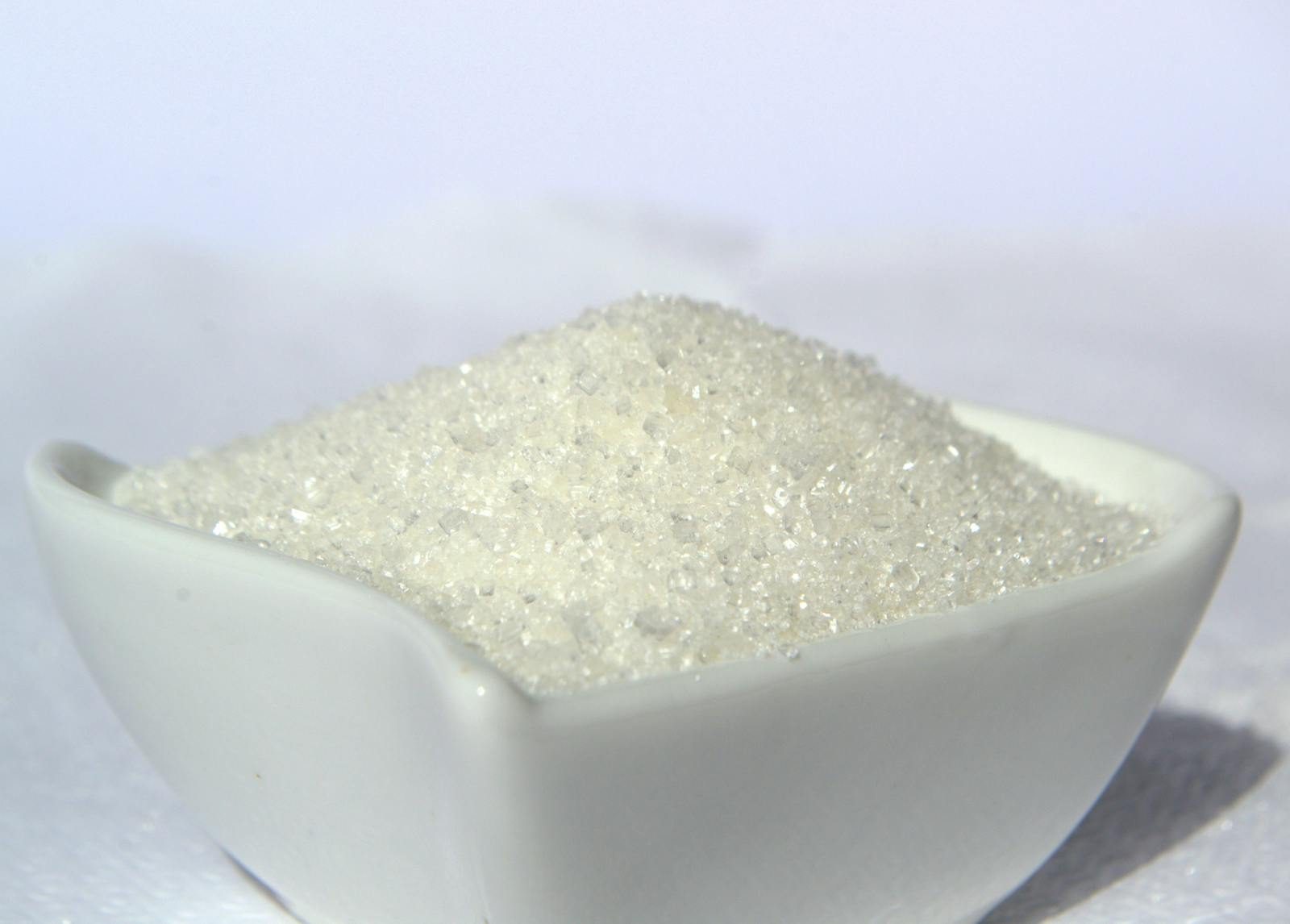
| Sugar | 1 tsp | 1 |
Beverages
Liquid calories are the quiet saboteur of most points plans. Black coffee and unsweetened tea are free, but add sugar, syrup, or cream and the points climb quickly. Alcohol is similarly unforgiving, a single bottle of beer or small glass of champagne both land in the 2 to 3 point range before you even touch a snack.
| Food | Portion | WW Classic Points |
| Coffee, black | 1 cup | 0 |
| Tea, unsweetened | 1 cup | 0 |
| Tea with sugar | 1 cup | 2 |
| Cappuccino | 1 cup | 2 |
| Irish coffee | 1 cup | 4 |
| Beer | 1 bottle (355 ml) | 3 |
| Non-alcoholic beer | 1 bottle | 1 |
| Champagne | 1 small glass | 2 |
Smart Swaps to Keep Meals Flavorful and Lower in Points
A points chart is only useful if you know how to use it to eat better. Here are the swaps that give you the biggest flavor-per-point return without leaving you hungry:
- Swap whole milk for skim or unsweetened plant milk in coffee and recipes. You will cut 2 to 3 points without changing the texture of most dishes.
- Use a 1 tsp measuring spoon for butter and oil. Measuring by eye is the single biggest reason home-cooked meals creep higher than expected.
- Choose plain yogurt and add your own fruit. Flavored yogurt with sugar is 3 points per cup. Plain low-fat yogurt with fresh berries can come in at 1 or less.
- Build half your plate from 0-point vegetables. This is the easiest way to feel full, add fiber, and keep the meal satisfying without stretching the points.
- Lean into spices, citrus, herbs, vinegar, garlic, and mustard. These are all near-zero points and do the heavy lifting for taste.
- Pick roasting, searing, or grilling over frying. A 100 g chicken breast, roasted, is 3 points. The same portion of breaded and deep-fried can easily double or triple.
Once you have a sense of the points, it helps to know roughly how many calories a day is reasonable for your body and activity level. Our Calorie Goal Calculator gives you a personalized daily target in under a minute, which pairs well with a points-based approach.
About WW Classic Points
The Classic Points system (sometimes called Original Points) was the points framework Weight Watchers used before moving to PointsPlus, SmartPoints, and the current myWW system. The formula combined calories, fat, and fiber into a single score. While WW has retired this system, many people still cook from Classic Points recipes, and the values remain a handy mental shortcut for comparing foods. For the current program, see the official WW program page.
The figures in this chart are approximate and based on the legacy WW Classic Points system. Actual values can vary depending on brand, preparation, and portion size. For more precise nutritional data on any specific ingredient, the USDA maintains a free, searchable database you can cross-reference.
Source: USDA FoodData Central for underlying nutritional values, combined with the publicly documented Classic Points formula.
Disclaimer
This chart is intended as a general reference only, not as medical or nutritional advice. The WW Classic Points system is a legacy framework and is no longer the official Weight Watchers program. Point values are approximate and may vary based on specific brands, preparation methods, and portion sizes. Always consult a qualified healthcare provider or registered dietitian before making significant changes to your diet, especially if you have a medical condition or are taking medication.
(Editor note: Updated 4/22/26)
© 2026 by FewerCalories.com. All rights reserved. No part of this document may be reproduced, transmitted, copied, or distributed in any form or by any means, electronic, mechanical, photocopying, recording, or otherwise, without the prior written permission of the copyright holder.