
Have you ever found yourself aimlessly wandering through the aisles of a grocery store, unsure of what to put in your shopping cart to support your goal of eating healthier? Look no further! This article is your guide to navigating the grocery store and making smarter choices for your health. Whether you're looking to lose weight or simply improve your overall well-being, we've got you covered. With tips and tricks for deciphering food labels, identifying nutritious options, and avoiding common pitfalls, you'll be well-equipped to take control of your grocery shopping experience and make choices that align with your health goals. So, let's get started on this journey to a healthier you!
Planning Ahead for Success
When it comes to making healthier choices at the grocery store, planning ahead is the key to success. Before you even step foot in the store, take the time to make a shopping list. This will help you stay organized and focused while shopping, ensuring that you don't forget any essential items. Make sure to include plenty of fruits, vegetables, lean proteins, whole grains, and healthy fats on your list.
Setting a budget is another important aspect of successful grocery shopping. Determine how much you're willing to spend before you head to the store and stick to it. This will help prevent impulse buys and keep you on track with your health and financial goals.
Choosing a specific shopping day can also make a difference in your grocery shopping experience. Some people prefer to shop on weekdays when the store is less crowded, while others enjoy the hustle and bustle of a weekend shopping trip. Find a day that works best for you and make it a regular part of your schedule.
Finally, thinking about meal planning can be incredibly beneficial. Take some time to plan out your meals for the week, considering what ingredients you'll need to buy. This will not only save you time and stress during the week but also help you make healthier choices by ensuring that you have nutritious options readily available.
Navigating the Produce Section
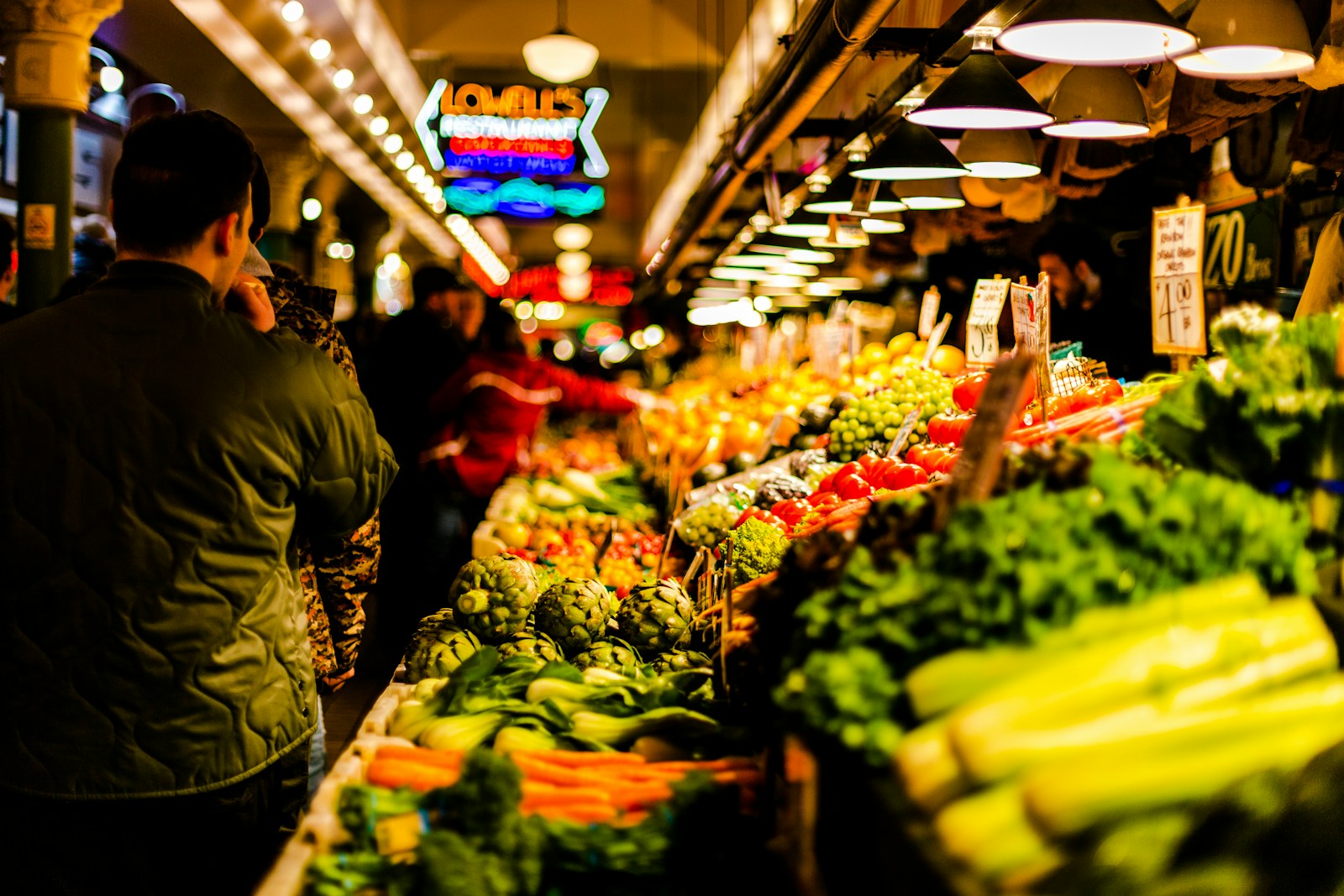
The produce section of the grocery store is a goldmine for healthy eating. Focusing on fresh fruits and vegetables is a great way to add essential vitamins, minerals, and fiber to your diet. Opt for a variety of colorful options to ensure you're getting a wide range of nutrients.
When choosing between organic and conventional produce, it's important to understand the difference. Organic produce is grown without the use of synthetic pesticides and fertilizers, while conventional produce may be treated with these chemicals. While organic options can be more expensive, they are a good choice if you want to minimize your exposure to potentially harmful chemicals.
Exploring local and seasonal produce is not only a great way to support local farmers but also ensures that you're getting the freshest and most flavorful produce. Local and seasonal fruits and vegetables often have a smaller carbon footprint as they haven't traveled long distances to reach the store.
Don't be afraid to step out of your comfort zone and try new and colorful varieties of fruits and vegetables. This can keep your meals interesting and introduce you to new flavors and textures you may have never experienced before.
Smart Protein Choices
Protein is an essential nutrient for building and repairing tissues, as well as aiding in weight management. When it comes to making smart protein choices at the grocery store, there are a few things to keep in mind.
Opting for lean meats such as skinless chicken breasts, turkey, and lean cuts of beef or pork can help reduce your intake of unhealthy saturated fats. These cuts of meat are lower in fat and calories, making them a healthier choice for your overall diet.
Considering plant-based proteins are also a great option for those looking to add more variety to their diet. Foods like beans, lentils, tofu, and tempeh are excellent sources of protein and can be incorporated into salads, stir-fries, and other dishes.
Choosing fish and seafood is another smart protein choice. These options are rich in omega-3 fatty acids, which are beneficial for heart health. Look for fresh or frozen options and aim to incorporate fish into your meals at least twice a week.
Incorporating eggs and dairy products like yogurt, cottage cheese, and low-fat milk can also contribute to your protein intake. These options provide essential vitamins and minerals, in addition to protein.
Navigating the Grain Aisle
The grain aisle can be overwhelming with the multitude of options available. When it comes to making healthier choices, there are a few things to keep in mind.
Opting for whole grains is a smart choice as they are higher in fiber and contain more nutrients compared to their refined counterparts. Look for whole-grain bread, pasta, rice, and cereals to maximize your nutritional intake.
Avoiding highly processed grains is also important. These grains have been stripped of their nutrients and often contain added sugars and preservatives. Stick to whole grains or minimally processed options to get the most benefits.
Trying alternative grain options can be a fun way to switch things up and add more variety to your diet. Quinoa, farro, bulgur, and barley are all excellent options that can be used in a variety of dishes.
Navigating the bread selections can be challenging, as there are so many options to choose from. Look for bread that is made with whole grains and has minimal added sugars and preservatives. Whole-grain bread can be a healthy choice when enjoyed in moderation.
Mindful Shopping in the Dairy Section
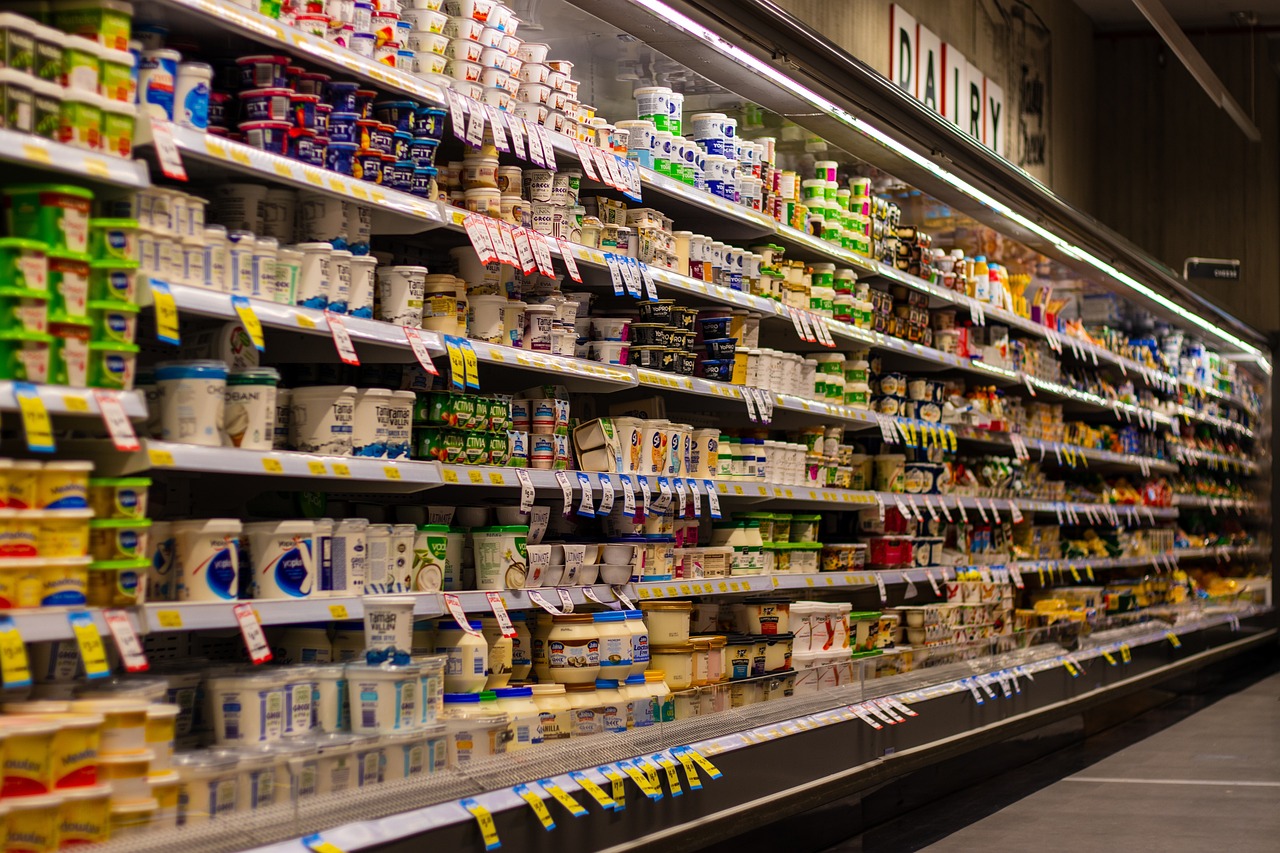
The dairy section of the grocery store offers a wide range of options, but not all choices are created equal. When selecting dairy products, there are a few things to keep in mind.
Choosing low-fat or fat-free options can help reduce your intake of saturated fats. These options still provide essential nutrients like calcium and protein but with less fat and calories.
Exploring non-dairy alternatives is a great option for those who are lactose intolerant, following a vegan diet, or simply looking to mix things up. Options like almond milk, soy milk, and coconut milk can be great alternatives that offer their own unique benefits.
Reading labels for hidden sugars is important, especially when it comes to flavored yogurts and other sweetened dairy products. Opt for plain or unsweetened varieties and add your own natural sweeteners like fresh fruit or a drizzle of honey.
Finding reduced-sodium varieties is also important, especially for those monitoring their sodium intake. Some dairy products, like cheese and cottage cheese, can be high in sodium, so look for options labeled as reduced sodium or low sodium.
Discovering Healthy Fats
Contrary to popular belief, not all fats are bad for you. In fact, including healthy fats in your diet is crucial for overall health. When navigating the grocery store, keep these tips in mind.
Including avocados, nuts, and seeds in your diet is a great way to add healthy fats. Avocados are rich in monounsaturated fats, which can help promote healthy cholesterol levels. Nuts and seeds provide a good source of omega-3 fatty acids, which are beneficial for heart health.
Avoiding trans fats is important, as these are the unhealthy fats that can raise your bad cholesterol levels and increase your risk of heart disease. Check food labels for hydrogenated or partially hydrogenated oils, as these are indicators of trans fats.
Distinguishing between good and bad fats is essential. Unsaturated fats, like those found in olive oil and fatty fish, can be beneficial for heart health. Saturated fats, found in red meats and full-fat dairy products, should be consumed in moderation. Remember to read labels and make informed choices.
Understanding cooking oil options is also important. Some oils, like olive oil and avocado oil, are healthier choices for cooking at higher temperatures, while others, like flaxseed oil, are best used in salads and dressings.
Exploring the Frozen Section
The frozen section of the grocery store can be a convenient and practical option for adding healthy foods to your diet. When navigating this section, keep these tips in mind.
Choosing frozen fruits and vegetables is a great way to always have nutritious options on hand. These items are typically flash-frozen at peak ripeness, locking in nutrients. Use frozen fruits in smoothies or thaw them for a delicious snack. Frozen vegetables can be easily added to soups, stir-fries, and pasta dishes.
Checking for added sugars and sodium is important when selecting frozen items. Some frozen meals and desserts can be high in added sugars and sodium, so make sure to read labels and choose options with minimal additives.
Finding healthy frozen meals is possible if you know what to look for. Aim for options that are low in saturated fats, added sugars, and sodium. Look for meals that include lean proteins, whole grains, and plenty of vegetables.
Exploring frozen seafood options is a great way to incorporate more omega-3 fatty acids into your diet. Look for options like salmon, shrimp, and cod, and check that they are sustainably sourced.
Snacks and Treats Made Healthier
When it comes to snacks and treats, making healthier choices doesn't mean sacrificing taste. Here are some tips to keep in mind while navigating the grocery store.
Opting for whole-food snacks is a great way to satisfy your cravings while still nourishing your body. Choose options like fresh fruits, raw vegetables, nuts, and seeds for a nutrient-rich snack.
Choosing low-calorie alternatives can help you stay on track with your health and weight loss goals. Look for snacks that are lower in sugar and fat, but still offer great flavor. For example, air-popped popcorn or veggie sticks with hummus can be a satisfying and low-calorie option.
Exploring healthier dessert options is also important for those with a sweet tooth. Look for treats that are made with natural sweeteners like dates or maple syrup and opt for dark chocolate instead of milk chocolate for a healthier indulgence.
Reading labels for added sugars is crucial, as many packaged snacks and treats can be loaded with hidden sugars. Pay attention to not only the total sugar content but also the ingredients list. Look for snacks with minimal added sugars or opt for homemade treats where you can control the ingredients.
Beverage Strategies for Health
Beverages can often be a hidden source of added sugars and unnecessary calories. Here are some strategies for making healthier choices in the beverage aisle.
Drinking more water is always a great strategy for overall health. Aim to drink at least 8 cups of water per day to stay hydrated and support your body's functions. If you find plain water boring, try infusing it with fruits or herbs for a refreshing twist.
Opting for unsweetened beverages is important to avoid unnecessary added sugars. Choose options like unsweetened tea, sparkling water, or flavored water without added sugars. These options can still offer great taste without the unnecessary calories and sugar.
Avoiding sugary drinks and sodas is crucial for overall health and weight management. These beverages are often loaded with added sugars and can contribute to weight gain and increased risk of chronic diseases. Opt for healthier alternatives like homemade iced tea or infused water.
Choosing healthier options for coffee and tea is also important. Avoid adding excess sugar or artificial sweeteners to your drinks. Instead, opt for natural sweeteners like honey or enjoy your coffee or tea black or with a splash of milk or plant-based milk.
Navigating the Checkout Aisles
The checkout aisles can be a danger zone for impulsive purchases and unhealthy snacks. Here are some tips to help you navigate this area of the grocery store.
Avoiding impulse buys is crucial for staying on track with your healthy eating goals. Stick to your shopping list and avoid adding unnecessary items to your cart on a whim. If you find yourself tempted, take a moment to pause and consider if the item is necessary or if it aligns with your health and weight loss goals.
Resisting unhealthy snacks and candies that are often displayed in the checkout aisles can be challenging. Instead of reaching for these options, try to have healthier alternatives on hand, like a piece of fruit or a small handful of nuts. Planning ahead and having these options readily available can help you satisfy your cravings without derailing your progress.
Reading labels of grab-and-go items is important. Many pre-packaged snacks and meals can be high in calories, unhealthy fats, and sodium. Avoid these options and opt for healthier choices that are lower in these undesirable components.
Planning for healthy on-the-go snacks is crucial for those with busy lifestyles. Look for options like individually packaged nuts, fruit or nut bars, or single-serve packs of baby carrots. These items can be easily added to your bag or car for a quick and nutritious snack when you're on the move.
In conclusion, navigating the grocery store for healthier choices requires some planning and mindfulness. By making a shopping list, setting a budget, choosing a shopping day, and thinking about meal planning, you can set yourself up for success. In each section of the grocery store, from the produce section to the dairy section, making informed choices about fresh options, organic vs. conventional produce, lean meats, whole grains, healthy fats, frozen items, snacks and treats, beverages, and the checkout aisles can help you make healthier choices and reach your health and weight loss goals. So, next time you head to the grocery store, be prepared with these strategies and make those healthier choices with confidence.
Related on FewerCalories.com
- Can Eating Fewer Calories Help You Live Longer?
- Calorie Goal Calculator
- How Many Calories Should You Eat?
Looking for a done-for-you approach to smarter grocery shopping? At Knack For Nutrition, we offer meal plan eBooks that take the guesswork out of your weekly shop. Every plan comes with a ready-to-use grocery list built around satisfying, balanced meals, so you can spend less time wandering the aisles and more time enjoying good food.
© 2026 by Fewercalories.com. All rights reserved. No part of this document may be reproduced, transmitted, copied, or distributed in any form or by any means, electronic, mechanical, photocopying, recording, or otherwise, without the prior written permission of the copyright holder.
Disclaimer: This article is for informational purposes only and is not intended as medical or nutritional advice. Always consult a qualified healthcare provider before making significant changes to your diet.