So, you've made the decision to eat healthier and lose some weight, but you're worried that dining out might ruin your progress? Don't fret, because we've got you covered! In this article, we'll share some practical portion control tips that will allow you to enjoy your meals at restaurants without sabotaging your goals. Whether you're meeting friends for a casual dinner or attending a business lunch, these tips will help you make smarter choices and keep your portion sizes in check. Let's dive right in and learn how to stay in control even when dining out!
Choosing the Right Restaurant
When it comes to choosing the right restaurant, doing a bit of research beforehand can go a long way. Start by looking up the restaurant's menu online to get an idea of what they offer. This will help you determine if there are any healthier options available or if the menu leans towards more indulgent choices.
Another aspect to consider is exploring different types of cuisines. Ethnic cuisines often offer a wide range of flavors and ingredients that can be both delicious and nutritious. From Mediterranean to Asian cuisines, you can find options that are rich in vegetables, lean proteins, and whole grains.
If you're looking specifically for lighter options, consider checking out salad restaurants. These establishments tend to focus on fresh greens, vegetables, and lean proteins for a healthy and satisfying meal. They often offer a variety of salad dressings to choose from, allowing you to control the amount of added calories and fats.
One type of restaurant to be cautious of is the all-you-can-eat buffet. While these establishments may seem tempting with their vast array of food options, they can easily lead to overeating. The unlimited portions and the tendency to want to get your money's worth can make it difficult to practice portion control and make healthier choices.
Getting Prepared Before Dining Out
Before heading out to dine, there are a few steps you can take to ensure you're well-prepared and set yourself up for success. Eating a light meal or snack beforehand can help curb your hunger, so you don't arrive at the restaurant ravenous. Some raw vegetables, a piece of fruit, or a small serving of yogurt can do the trick.
Staying hydrated is also important when dining out. Drink plenty of water throughout the day to avoid dehydration and to keep your appetite in check. Sometimes, thirst can be mistaken for hunger, and staying hydrated can help you discern between the two.
Planning your meal ahead of time can be helpful in making healthier choices. Decide what you're going to order before you arrive at the restaurant, so you're not swayed by tempting menu descriptions or the influence of others. Having a plan in place can help you stay focused and minimize any potential impulse ordering.
When dining out, it's crucial to control your cravings. It's easy to give in to the desire for indulgent dishes or desserts, especially when surrounded by delicious options. Remember your goals of eating healthier and losing weight, and remind yourself of the long-term satisfaction and benefits that come with making healthier choices.
Lastly, it's important to avoid skipping meals in an attempt to save calories for the restaurant meal. Skipping meals can lead to overeating later on due to extreme hunger. It can also disrupt your body's hunger and fullness cues, making it challenging to practice portion control. Stick to your regular meal pattern and make smart choices when dining out instead.
Navigating the Menu
When you're at the restaurant and faced with a menu, take your time to read it carefully. Look for dishes that align with your dietary preferences and goals. Pay attention to the ingredients, preparation methods, and portion sizes mentioned in the menu descriptions.
While scanning the menu, keep an eye out for keywords that indicate healthier options. Look for terms like "grilled," "steamed," "baked," or "roasted" as these cooking methods tend to be lower in added fats and calories compared to fried or sautéed options. Also, be on the lookout for keywords like "fresh," "light," or "low-calorie" that can guide you towards healthier selections.
Don't be afraid to ask for modifications to meet your specific dietary needs. Most restaurants are willing to accommodate requests such as substituting sides, dressing on the side, or omitting certain ingredients. Don't be shy about communicating your preferences and dietary restrictions to ensure you can enjoy a meal that aligns with your goals.
It's also important to be mindful of certain preparations that are typically higher in calories or unhealthy fats. Dishes that are described as "crispy," "breaded," "fried," or "smothered" often indicate higher calorie content. Consider opting for alternatives that are prepared using healthier methods to reduce your overall calorie intake.
If you're dining with a companion and the portion sizes seem large, consider splitting an entrée. Many restaurants are more than happy to accommodate this request, and it's a great way to control the amount of food you consume while still being able to enjoy a taste of different dishes.
Smart Ordering Strategies
When it comes to ordering your meal, adopting smart strategies can help you make healthier choices and practice portion control. Be mindful of portion sizes and aim to choose options that provide a balanced meal while avoiding excessive servings.
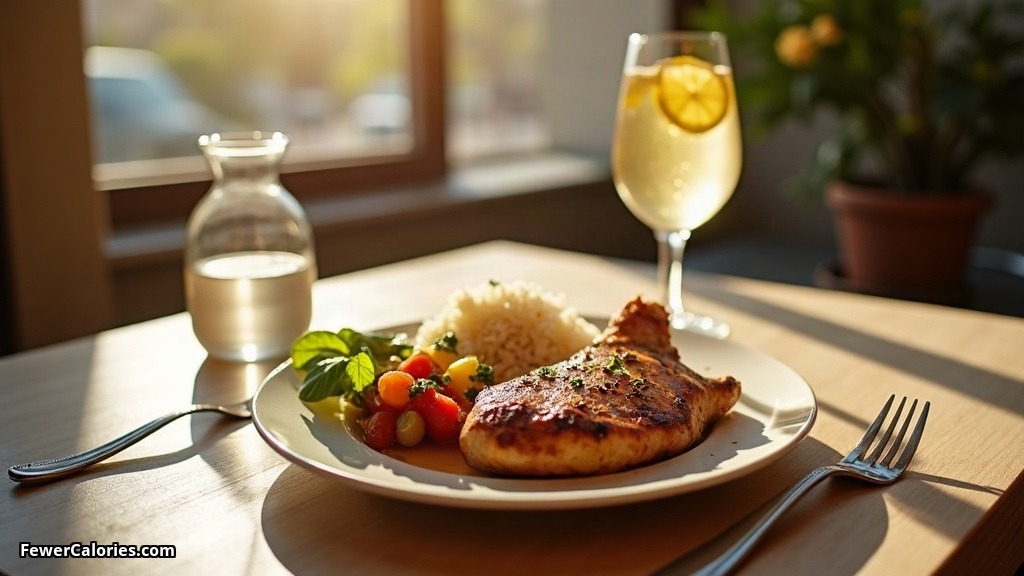
Opt for healthier cooking methods like grilling or baking. These methods tend to use less added fats compared to frying and can help reduce the overall calorie content of your meal. By choosing dishes that are prepared using these methods, you can enjoy flavorful meals without sacrificing your health goals.
Watch out for sauces and dressings as they can add unnecessary calories and fat to your meal. Request for dressings and sauces to be served on the side, allowing you to control the amount you use. Alternatively, consider opting for healthier alternatives like vinaigrettes or marinara sauce instead of creamy dressings or rich gravies.
One important strategy to keep in mind is to avoid fried foods. While they might be tempting, deep-fried dishes are often high in unhealthy fats and calories. Choose grilled, baked, or steamed options instead whenever possible to limit your intake of added fats.
Controlling Portion Sizes
Controlling portion sizes when dining out can be challenging, but there are strategies you can employ to help you achieve your goals. One effective method is to share an entrée with your dining partner. Not only does this contribute to portion control, but it also allows you to try different dishes and enjoy a variety of flavors.
In cases where sharing isn't an option, consider asking for a takeout container at the beginning of the meal. As soon as your food arrives, portion out an appropriate serving size and pack up the rest to take home. This way, you're not tempted to finish the entire plate and can enjoy the leftovers for another meal.
Sometimes, appetizers can make for a satisfying main course. They tend to have smaller portions compared to entrées and can still provide a well-rounded meal. Look for options that include a variety of food groups, such as a vegetable-based dish, a lean protein, and a whole grain.
If you find it difficult to portion out leftovers or share a meal, aim to take half of your entrée home. This allows you to still enjoy the flavors and experience of dining out while being mindful of your portion sizes. Not only does this practice promote portion control, but it also adds value to your dining experience as you get to savor the leftovers later.
Avoid being tempted by supersized portions. Many restaurants offer large portions which can be far more than what you might actually need. Instead, consider ordering smaller portion sizes or opting for appetizers instead of full entrees to satisfy your hunger without going overboard.
Eating Mindfully
Practicing mindful eating is another key aspect to consider when dining out. By being fully present and aware of your eating habits, you can make healthier choices and better gauge your hunger and fullness cues.
Take the time to slow down and chew your food thoroughly. This not only aids digestion but also allows you to fully savor each bite. By eating slowly, you give your body more time to register satiety, which can prevent overeating.
Savor each bite by paying attention to the flavors, textures, and aromas of your food. Take a moment to appreciate the effort that went into preparing your meal and make the most of the dining experience. By fully immersing yourself in your meal, you can derive more satisfaction from smaller portions.
Listen to your body and be mindful of your hunger and fullness signals. Check in with yourself throughout the meal to assess if you're still hungry or if you're becoming comfortably full. By staying attuned to your body's cues, you can prevent overeating and ensure you stop eating when you're satisfied.
To encourage a slower eating pace, put your fork down between bites. This simple act can help you eat more mindfully and give your body a chance to register satiety. Engage in conversation or observe your surroundings to make the dining experience more enjoyable and less focused solely on eating.
Avoid distractions, such as phones or TVs, while dining out. By giving your full attention to your meal, you can fully engage with your food and eating experience. This can also help prevent mindless eating and allow you to make conscious decisions about your food choices.

Beverage Choices
What you drink alongside your meal can also have a significant impact on your overall calorie and sugar intake. Choosing water or unsweetened beverages is often the best option, as they are hydrating and have no added calories. Opting for water can also help curb your appetite and prevent unnecessary snacking.
Avoid sugary drinks, such as sodas, sweetened teas, and fruit juices. These beverages are often high in empty calories and can contribute to weight gain. If you're looking for a flavored option, consider adding a slice of lemon or lime to your water for a refreshing twist.
Be mindful of alcoholic beverages, as they can contain hidden calories and also lower your inhibitions when it comes to food choices. While it's okay to enjoy a drink occasionally, be aware of the potential impact on your overall calorie intake and make choices accordingly. Consider limiting your alcohol consumption or opting for lower-calorie options like light beers or spirits mixed with calorie-free mixers.
If you're a coffee lover, be cautious of caloric coffee drinks. Many specialty coffee beverages can contain excessive amounts of added sugars and fats. Stick to black coffee or opt for healthier alternatives like unsweetened iced coffee or tea. If you prefer milk in your coffee, choose lower-fat options such as skim or almond milk.
For a warming and soothing beverage option, herbal teas can be a great choice. They are often calorie-free and offer a wide range of flavors and health benefits. Whether you're in the mood for chamomile, peppermint, or ginger tea, you can find options that suit your taste preferences while keeping your calorie intake in check.
Dealing with Side Dishes
Side dishes can often be a source of hidden calories and unhealthy ingredients. To make healthier choices, consider asking for steamed or roasted vegetables instead of the standard options. Vegetables prepared in these methods retain more of their natural nutrients and are often lower in added fats and sodium.
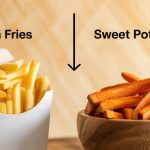
If your meal comes with the option of French fries or other fried sides, consider substituting them with a healthier alternative like a side salad or steamed vegetables. This small change can make a big difference in reducing your overall calorie intake and increasing the nutritional value of your meal.
Be mindful of your bread intake when it comes to side dishes. While bread can be delicious, it's often high in calories and can contribute to feeling overly full. If the bread basket is tempting you, try to limit yourself to one small piece or skip it altogether to save your calories for the main course.
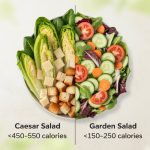
Watch out for creamy dressings that are commonly served alongside salads or other dishes. These dressings can be high in fats and calories. Choose lighter alternatives like vinaigrettes or ask for dressing on the side, so you can control the amount you use. You can still enjoy the flavors of the salad without going overboard on calories.
In some cases, you might consider skipping the side dishes altogether, especially if they don't align with your dietary goals or if they are heavily laden with unhealthy ingredients. Don't feel obligated to include them in your meal if they don't contribute to your overall satisfaction or if they will hinder your progress towards eating healthier.
Practicing Portion Control with Desserts
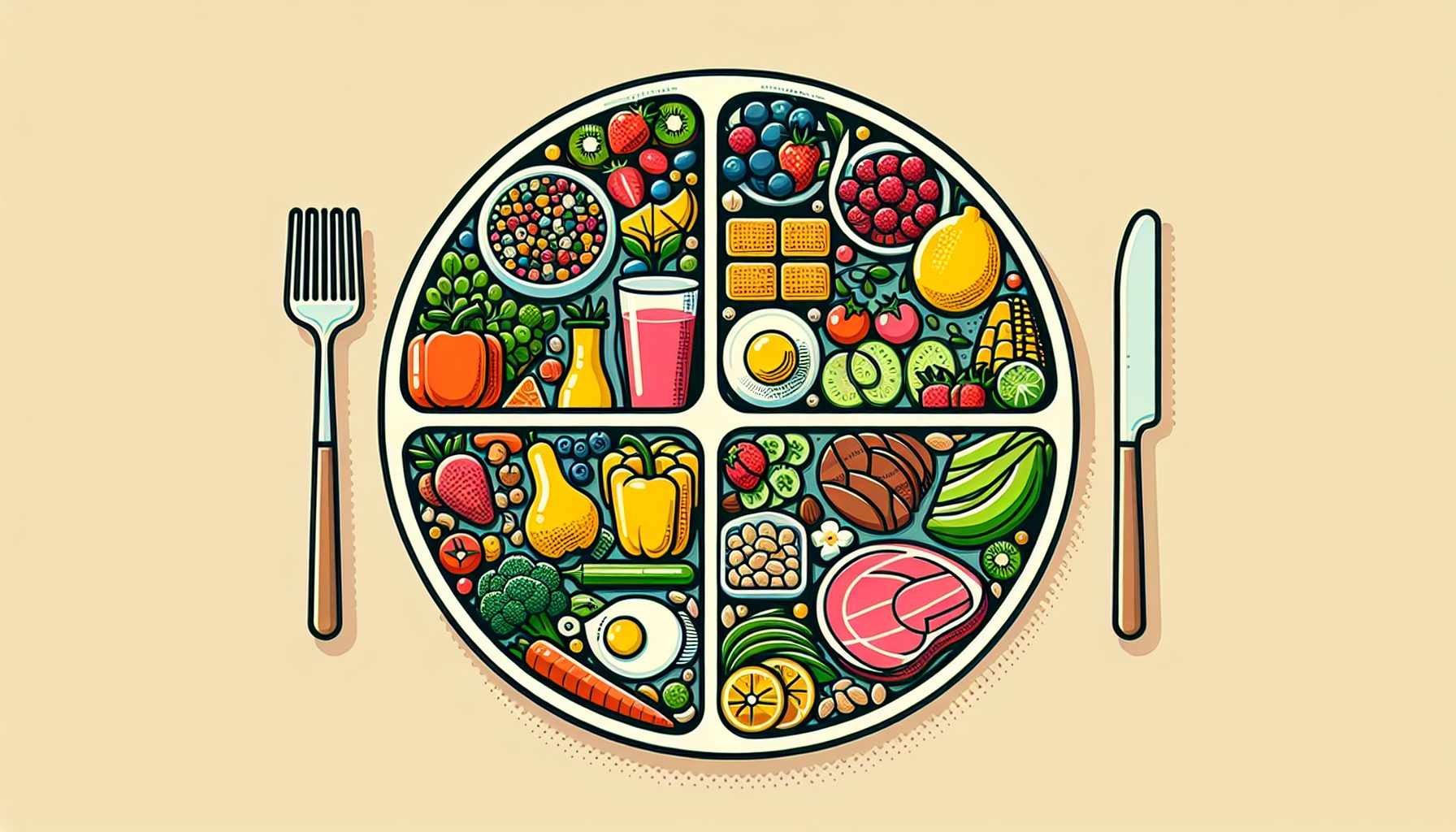
Desserts can be a tempting part of any dining experience, but practicing portion control is essential to avoid overindulging. One effective strategy is to share desserts with your dining companions. This not only slashes your portion size but also allows you to satisfy your sweet tooth without going overboard.
If sharing isn't an option, consider opting for fruit-based desserts. These desserts are often lower in added sugars and provide additional vitamins and fiber. Fresh fruit, fruit salads, or sorbets can be refreshing options that satisfy your dessert cravings while keeping your calorie intake in check.
Choosing smaller portions is also a smart way to practice portion control with desserts. Many restaurants offer dessert options in various sizes, so opt for the smallest serving available. By enjoying a smaller portion, you can still indulge your sweet tooth without consuming excessive amounts of calories.
It's important to skip high-calorie offerings like rich chocolate cakes, cheesecakes, or deep-fried desserts. While these may be delicious, they can greatly increase your calorie intake and hinder your progress towards healthier eating. Instead, choose desserts that are lower in calories or portion-controlled options that allow you to enjoy a taste without going overboard on calories.
When it comes to enjoying desserts, moderation is key. While it's okay to indulge occasionally, it's important to do so in moderation. Practicing self-control and portion control will allow you to savor the flavors and enjoy the experience without derailing your health and weight loss goals.
Dealing with Social Pressure
When dining out with friends or family, it's common to face social pressure to make unhealthy food choices. However, it's important to stick to your plan and not be swayed by others. Remember that you're on a journey to eat healthier and lose weight, and that your choices should be based on your own goals and priorities.
Communicate your goals and dietary preferences to your dining companions. Let them know that you're making an effort to eat healthier and that you appreciate their support. By expressing your intentions, you'll likely find that your friends and family are more understanding and supportive of your choices.
In situations where others might tempt you to stray from your plan, stand firm and be confident in your decisions. Remind yourself of the progress you've made and the positive changes you're making towards a healthier lifestyle. Your health and well-being should be your top priority, and it's important not to let others' opinions or actions sway you from your path.
Instead of solely focusing on the food, shift your attention to enjoying the company and the overall dining experience. Engage in conversation, share stories, and enjoy the time spent with your loved ones. By placing the emphasis on the social aspect of dining, you can still have a fulfilling experience even without indulging in unhealthy choices.
Surround yourself with supportive friends and family who understand your goals and are willing to support you in your journey towards healthier eating. Having a network of people who share your values and can provide encouragement can make it easier to resist social pressure and stay committed to your goals.
Remember, you have the power to make choices that align with your health and weight loss goals. Stay true to yourself, communicate your intentions, and focus on enjoying the company rather than solely placing emphasis on the food. With the right mindset and support system, you can navigate social situations while still making progress towards your goals.
Dining out can absolutely fit into a healthier lifestyle. With a little planning, a fresh read of the menu, and a few smart swaps like grilled over fried or dressing on the side, you can build a plate that feels both satisfying and balanced. Sharing a dish, saving room for a flavorful dessert, or simply slowing down to enjoy the conversation are all part of the experience, not obstacles to it. Portion control isn't about restriction. It's about tuning into what your body actually needs, then choosing a meal that leaves you feeling full and good. The next time you're handed a menu, treat it as a smart starting point for a meal you'll genuinely enjoy, wherever you're seated.
Related on FewerCalories.com
- Mastering Portion Sizes: Easy Visual Guides for Everyday Meals
- One Week of Healthy Meal Prep Ideas
- TDEE Calculator
Eating out is easier when your home meals are already sorted. At Knack For Nutrition, our meal plan eBooks help you build a week of satisfying, portion-smart meals so dining out stays a treat rather than a fallback.
© 2026 by Fewercalories.com. All rights reserved. No part of this document may be reproduced, transmitted, copied, or distributed in any form or by any means, electronic, mechanical, photocopying, recording, or otherwise, without the prior written permission of the copyright holder.
Disclaimer: This article is for informational purposes only and is not intended as medical or nutritional advice. Always consult a qualified healthcare provider before making significant changes to your diet.