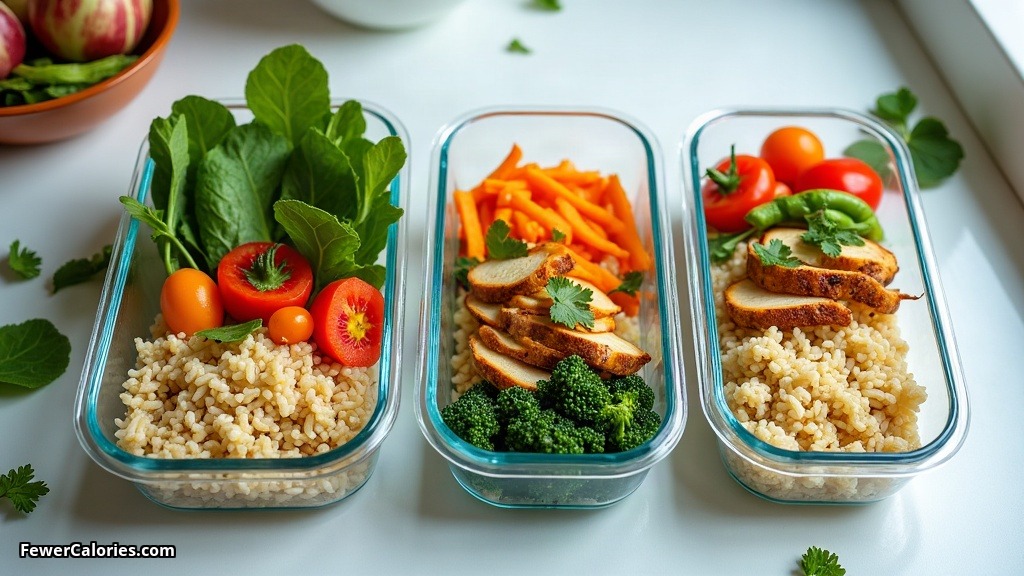
New to meal prep? You're in the right place. In this guide, we'll walk through the basics of planning, batch cooking, and storing meals so your week runs smoother and your plate stays balanced. Whether you're a busy professional, a student, or just someone looking to simplify things, meal prep is a smart starting point for eating well without a lot of daily decision-making. Grab your containers, and let's get into it.
Meal Prep Basics
Meal prep is a method of preparing meals in advance so that you have ready-to-eat or ready-to-cook meals throughout the week. It involves planning, preparing, and storing meals in a way that saves time, supports healthier eating habits, and helps you stay on track with your nutrition goals. Whether you're aiming to eat healthier, save money, or simply have more control over what's on your plate, meal prep can be a genuine game-changer for your routine.
Benefits of meal prep
There are numerous benefits to incorporating meal prep into your routine. First and foremost, it gives you better control over your diet. By planning and preparing your meals in advance, you can ensure that you're consuming nutritious ingredients and portion sizes that align with your goals, so it's easier to make food choices you feel good about.
Meal prep also saves you time and energy. Instead of spending precious minutes each day pondering what to cook or rushing to prepare meals, you can have everything sorted in advance. It eliminates the stress of last-minute meal decisions, especially when you are busy or tired.
Another advantage of meal prep is that it can save you money. By buying ingredients in bulk and utilizing sales, you can reduce your grocery expenses. Additionally, by cooking at home, you are likely to eat out less frequently, which can be a big money-saver in the long run.
Essential kitchen tools
To get started with meal prep, there are a few essential kitchen tools that you'll need. These include:
- Sharp knives: Invest in a set of good-quality knives to make chopping and slicing ingredients a breeze.
- Cutting boards: Use separate cutting boards for different types of ingredients to prevent cross-contamination.
- Measuring cups and spoons: Accurate measurement of ingredients is crucial for portion control and consistent cooking.
- Food storage containers: Opt for airtight containers in various sizes to store your prepped meals in the refrigerator or freezer.
- Slow cooker or Instant Pot: These appliances are excellent for batch cooking and preparing meals that require longer cooking times.
- Baking sheets: Ideal for roasting vegetables or cooking proteins in the oven.
- Blender or food processor: Useful for blending smoothies, making sauces, or pureeing ingredients.
Having these basic kitchen tools will make meal prep a much smoother and enjoyable process.
How to choose the right containers
Selecting the right containers for meal prep is important to keep food fresh and prevent spills or leaks. Here are a few factors to consider when choosing containers:
- Material: Look for containers made of glass or BPA-free plastic. Glass containers are more durable, resistant to stains and odors, and can be safely used in the microwave and oven.
- Size: Choose containers that are suitable for portion sizes and stackable for easy storage. Having a variety of sizes allows you to pack different types of meals.
- Sealability: Make sure the containers have secure and leak-proof lids to prevent any spills or accidents in your bag or fridge.
- Freezer-friendly: If you plan on freezing meals, ensure that the containers are freezer-safe and won't crack or warp at low temperatures.
- Easy to clean: Containers that are dishwasher safe or easy to hand wash will save you time and effort.
Consider your specific needs and preferences when selecting containers, and don't be afraid to invest in high-quality ones that will last you a long time.
Planning and Preparing
Meal prep starts with setting goals and creating a meal plan. This step is crucial as it helps you stay focused, stay on track with your nutrition goals, and feel confident about your food choices before the week even starts.
Setting goals and creating a meal plan
Start by defining your goals. Are you looking to build muscle, simplify your week, or just eat a bit healthier? Understanding your objectives will guide your meal planning process. Once you have a clear goal in mind, you can create a meal plan that aligns with it.
When creating a meal plan, consider your dietary preferences, any food allergies or restrictions, and your typical schedule. Plan your meals and snacks for the week, keeping in mind the balance of macronutrients (carbohydrates, proteins, and fats) and including a variety of fruits, vegetables, lean proteins, and whole grains.
There are numerous meal planning tools and apps available that can help you streamline the process, calculate nutritional information, and even generate shopping lists. Experiment with different methods and find what works best for you.
Grocery shopping tips
Once you have your meal plan ready, it's time to head to the grocery store. To make your shopping trip efficient and cost-effective, consider the following tips:
- Make a list: Before heading to the store, write down all the ingredients you need based on your meal plan. Sticking to the list keeps your cart focused and your budget on track.
- Shop the perimeter: The outer aisles of the grocery store usually contain fresh produce, meats, and dairy products. Focus on these sections to fill your cart with nutritious options.
- Buy in-season produce: Seasonal fruits and vegetables are often more affordable and taste better. Incorporating these into your meal plan can help you save money.
- Read labels: When purchasing packaged foods, read the labels to check for added sugars, sodium, and unhealthy fats. Opt for options with minimal ingredients and those that align with your dietary goals.
- Compare prices: Compare prices between different brands and sizes to find the best value for your money. Consider buying products in bulk if it makes sense for your needs.
Shopping with a plan (and a snack in you beforehand) makes it a lot easier to stick to your list and fill your cart with nutrient-dense foods you're genuinely excited to cook.
Batch cooking and prepping ingredients
Batch cooking is a key component of meal prep that involves cooking larger quantities of food at once to save time and effort throughout the week. Here are some tips for successful batch cooking:
- Choose versatile recipes: Opt for recipes that use common ingredients and can be easily adapted for different meals. For example, roasted chicken can be used in salads, wraps, or stir-fries.
- Cook in bulk: Prepare a large batch of protein, such as grilled chicken or baked tofu, to add to various meals. Pre-cook grains like rice or quinoa to have on hand for quick meal assembly.
- Divide and portion: Once your batch-cooked items have cooled down, portion them into individual containers. This makes it easier to grab and go when you're in a rush.
In addition to batch cooking, prepping ingredients in advance can save you time during the week. Wash and chop vegetables, portion out snacks, and portion ingredients for smoothies or overnight oats. These small prep tasks can make a big difference in streamlining your meal prep process.
Meal Prep Recipes
Having a repertoire of meal prep recipes can make the process even more enjoyable and diverse. Here are some ideas for each meal of the day:
Easy breakfast options
- Overnight oats: Combine oats, milk or yogurt, and your favorite toppings in a jar. Let it sit overnight in the fridge, and wake up to a delicious and nutritious breakfast.
- Egg muffin cups: Whisk eggs, vegetables, and cheese together, then pour the mixture into a muffin tin and bake. These portable egg muffins can be reheated and enjoyed throughout the week.
- Smoothie bags: Pre-portion smoothie ingredients such as fruits, spinach, and protein powder into freezer bags. In the morning, simply blend the contents with your liquid of choice for a quick and refreshing breakfast.
Lunch ideas
- Mason jar salads: Layer ingredients like greens, proteins, grains, and dressings in a mason jar for a perfectly portioned and colorful salad. When it's time to eat, simply shake the jar to mix everything together.
- Grain bowls: Cook a large batch of grains like quinoa or brown rice and divide them into containers. Top with roasted vegetables, proteins, and a flavorful sauce for a satisfying lunch.
- Wraps or sandwiches: Prepare wraps or sandwiches in advance and wrap them tightly in foil or plastic wrap. These are convenient and portable options for busy lunch hours.
Dinner recipes
- Sheet pan dinners: Toss various vegetables and your choice of protein with olive oil and seasonings, then bake on a sheet pan for an easy and nutritious dinner.
- Stir-fries: Slice and marinate proteins in advance, and chop up vegetables. When ready to cook, simply stir-fry everything together with sauce for a quick and customizable meal.
- Casseroles: Prepare savory casseroles like lasagna or baked pasta dishes, portion them into containers, and store them in the fridge or freezer for easy weeknight dinners.
Snack and dessert options
- Energy balls: Make a batch of energy balls using ingredients like oats, nut butter, and dried fruits. These bite-sized snacks are perfect for a quick energy boost.
- Homemade granola bars: Mix together oats, nuts, seeds, and honey or maple syrup, then press into a baking dish and bake. Cut into bars once cooled for a wholesome snack.
- Yogurt parfaits: Layer Greek yogurt, fruits, and granola in small containers for a tasty and satisfying dessert or snack.
Experiment with these recipes or find others that suit your taste preferences. The key is to find a variety of recipes that you enjoy and that are easy to incorporate into your meal prep routine.
Storage and Safety
Proper food storage and safety are important aspects of meal prep to ensure that your meals stay fresh and safe to eat.
Proper food storage guidelines
Follow these food storage guidelines to maintain the quality and safety of your prepped meals:
- Refrigeration: Store perishable foods, such as meats, salads, and cooked grains, in the refrigerator at or below 40°F (4°C). Keep raw meats separate from ready-to-eat foods to prevent cross-contamination.
- Freezing: If you're prepping meals for a longer period of time, freezing is an excellent option. Ensure that your containers are freezer-safe and label them with the date to keep track of freshness. Use frozen meals within three months for optimal quality.
- Refrigerator organization: Arrange your prepped meals in a way that allows for easy access and prevents overcrowding. Leave space between containers for proper air circulation.
- Labeling: Label each container with the contents and the date it was prepared. This helps you keep track of how long each meal has been stored and minimizes the risk of consuming expired food.
Tips for reheating meals
When it's time to enjoy your prepped meals, proper reheating is crucial to maintain flavors and reduce the risk of foodborne illnesses. Consider the following tips:
- Use safe temperatures: Ensure that reheated meals reach an internal temperature of 165°F (74°C) to eliminate any potential bacteria.
- Reheat in portions: When reheating, divide larger portions into smaller sections to ensure even heating throughout the meal. Stir or flip the food halfway through the reheating process.
- Watch the time: Be mindful not to overheat or dry out your meals. Use a microwave-safe lid or cover to trap in moisture, or add a splash of water or sauce to keep things moist and flavorful.
- Thaw frozen meals safely: When reheating frozen meals, thaw them in the refrigerator overnight or use the defrost function on your microwave. Don't leave frozen meals at room temperature for extended periods.
By following these guidelines, you can enjoy your prepped meals with confidence, knowing that they are safe to eat and taste just as delicious as when they were freshly cooked.
Safe handling of raw ingredients
When prepping meals, it is essential to practice safe handling of raw ingredients to prevent foodborne illnesses. Consider the following tips:
- Separate cutting boards: Use separate cutting boards for raw meats and produce to prevent cross-contamination. Wash cutting boards, knives, and utensils with hot soapy water between uses.
- Proper hand hygiene: Wash your hands thoroughly with warm water and soap before and after handling raw ingredients, especially meats. This helps reduce the spread of bacteria.
- Keep perishables cold: When transporting groceries or prepped meals, use insulated bags or coolers with ice packs to maintain proper temperatures, especially on warmer days.
- Use by dates: Check the use-by dates of ingredients before incorporating them into your meal prep. If a product is expired, dispose of it to stay on the safe side.
Following these safe handling practices keeps your prepped meals safe and your kitchen routine running smoothly.
Time-Saving Tips
Meal prep is all about saving time and making your life easier. Here are some time-saving tips to make the process even more efficient:
Prep-ahead hacks
Take advantage of prep-ahead hacks to streamline your meal prep routine:
- Wash produce in bulk: Instead of washing fruits and vegetables every time you need them, wash them all at once and store them in airtight containers or produce bags.
- Pre-cut ingredients: Chop, slice, or dice ingredients in advance. Store them in small containers or resealable bags in the refrigerator for easy access during meal assembly.
- Marinate proteins: To infuse flavor, marinate proteins such as chicken, tofu, or fish in advance. This saves time when it's time to cook as the flavors have already melded.
Freezing meals for later
Freezing meals can be a game-changer when it comes to meal prep. Here's how to make the most of your freezer:
- Portion meals: Divide larger batches of meals into individual portions before freezing. This way, you can thaw and reheat only what you need, reducing waste.
- Flash freeze ingredients: If you're freezing ingredients like berries or chopped vegetables, spread them out on a baking sheet and put them in the freezer until they're frozen. Then transfer them to freezer bags or containers for easy storage.
- Label and date: Always label containers or bags with the contents and date of freezing. This helps you keep track of how long each meal has been frozen and prevents you from forgetting what's inside.
Using leftovers creatively
Put your leftovers to good use instead of letting them sit. Get creative and repurpose them into new meals:
- Transform proteins: Use leftover grilled chicken or roasted vegetables as fillings for wraps, sandwiches, or salads. This not only saves time but also adds a variety of flavors to your meals.
- Make stir-fries: Toss leftover cooked grains, proteins, and vegetables together with some sauce for a quick and tasty stir-fry.
- Soup or stew: Transform leftover cooked meats, vegetables, and grains into a comforting soup or stew by simmering them with broth and spices.
By utilizing these time-saving tips, you can maximize your efficiency in the kitchen and have more time for other activities throughout the week.
Nutritional Considerations
Balance and nutrition play a significant role in feeling satisfied and full of energy. Here are some nutritional considerations to keep in mind during meal prep:
Balancing macronutrients
A well-balanced meal includes a mix of macronutrients: carbohydrates, proteins, and fats. Here are some tips for achieving a macronutrient balance in your prepped meals:
- Carbohydrates: Opt for complex carbohydrates like whole grains, legumes, and starchy vegetables. These provide sustained energy and fiber.
- Proteins: Include lean proteins such as chicken, turkey, fish, tofu, or legumes to promote muscle development and repair.
- Fats: Incorporate healthy fats from sources like avocados, nuts, seeds, and olive oil. These not only provide flavor but also help you feel satisfied.
Aim to have a balance of these macronutrients in each meal to ensure you are getting all the necessary nutrients and staying satisfied throughout the day.
Portion control and calorie tracking
Portion control is a helpful tool for staying satisfied without overdoing it. Keep these tips in mind:
- Use portion control tools: Invest in portion control containers or use measuring cups to help you gauge servings with confidence.
- Track your calories, if it's useful to you: If you like counting calories, a food diary or a calorie tracking app can help you stay accountable and reach your goals.
- Listen to your hunger cues: Pay attention to your body's hunger and fullness signals. Eat until you're satisfied and full.
Being mindful of portion sizes, and tracking your calories if that's a tool you like to use, can help your meal prep align with your nutritional goals.
Substituting ingredients for dietary needs
If you have specific dietary needs or restrictions, meal prep can still be tailored to suit your preferences. Here are some ideas for ingredient substitutions:
- Vegetarian or vegan: Replace animal proteins with plant-based protein sources like tofu, tempeh, legumes, or seitan. Use vegetable broth or plant-based milk instead of animal-based broths or dairy.
- Gluten-free: Opt for gluten-free grains like quinoa, rice, or gluten-free pasta. Use gluten-free flours or breadcrumbs for breading or baking.
- Dairy-free: Substitute dairy products with plant-based alternatives such as almond milk, coconut milk, or cashew cheese.
Research and experiment with different ingredient substitutions to find options that suit your dietary needs and preferences while still enjoying delicious and nutritious meals.
Budget-Friendly Meal Prep
Meal prep doesn't have to break the bank. Consider these budget-friendly strategies to save money while still enjoying healthy and delicious meals:
Smart grocery shopping strategies
- Plan your meals in advance: Meal planning allows you to make a shopping list based on the ingredients you need, cutting down on impulse purchases and food waste.
- Shop sales and in-season produce: Keep an eye out for weekly store flyers and take advantage of discounted items or buy one, get one free promotions. In-season produce is often cheaper and at its peak flavor.
- Buy store brands: Store brands are generally more affordable than name brands and offer similar quality. Compare prices and ingredient lists to make an informed decision.
- Shop at farmers markets or local co-ops: These venues often have fresh produce at lower prices and support local growers.
Buying in bulk and using sales
- Buy in bulk: Purchase non-perishable items, such as rice, beans, nuts, and spices, in bulk. This saves money in the long run and ensures you always have pantry staples on hand.
- Stock up during sales: When items you regularly use are on sale, consider purchasing extra quantities to save money in the long term.
- Utilize frozen or canned produce: Frozen fruits and vegetables are often more affordable than fresh ones and can be just as nutritious. Canned items like beans or tomatoes are also budget-friendly and have a long shelf life.
Using affordable ingredients
- Choose cheaper protein sources: Opt for more affordable protein sources like chicken, eggs, canned tuna, or legumes instead of expensive cuts of meat or seafood.
- Utilize inexpensive staples: Incorporate budget-friendly staples like rice, oats, pasta, and potatoes into your meal plan as a base for various dishes.
- Get creative with leftovers: Transform leftover ingredients or meals into new dishes to stretch your grocery budget further.
With a little bit of planning and strategic shopping, you can make meal prep fit within your budget while still enjoying nutritious and delicious meals.
Making Meal Prep Sustainable
For meal prep to become a long-term habit, it's important to make it sustainable and adaptable to your lifestyle. Consider the following tips:
Cutting down on food waste
Minimizing food waste is not only cost-effective but also environmentally friendly. Here's how to make the most of what you buy:
- Use ingredients creatively: Find inventive ways to use leftover ingredients or produce that is close to spoiling. Soups, stir-fries, and grain bowls are excellent options for utilizing odds and ends.
- Freeze excess ingredients: If you find yourself with more produce or leftovers than you can use, freeze them for future meals instead of letting them go to waste.
- Repurpose leftovers: Transform leftover meals into new dishes or freeze them for later consumption. This not only reduces waste but also saves you time and effort in preparing future meals.
Reusing and repurposing leftovers
Repurposing leftovers can keep your meal prep exciting and full of variety. Some ideas for using and transforming leftovers include:
- Salads: Use leftover roasted vegetables, proteins, or grains to create hearty salads with different dressings or toppings.
- Wraps and sandwiches: Utilize leftover proteins, vegetables, or spreads to create flavorful wraps or sandwiches for a quick and convenient meal.
- Soups and stews: Turn leftovers into delicious soups or stews by adding broth, spices, and additional ingredients. This is a great way to use up smaller quantities of leftover ingredients.
Adapting meal prep to your lifestyle
Meal prep should be flexible and adaptable to your lifestyle. Here are some tips to make it sustainable:
- Start slow and gradually increase: If you're new to meal prep, start with prepping one or two meals per week. As you become more comfortable, you can gradually increase the number of meals or prep days.
- Experiment with different recipes: Trying new recipes keeps meal prep exciting and full of variety. Incorporate new flavors, cuisines, and cooking techniques to keep things interesting.
- Find a routine that works for you: Whether you prefer prepping meals on Sundays for the whole week or taking a few minutes each night to assemble meals for the following day, find a routine that fits your schedule and preferences.
Remember that meal prep should enhance your lifestyle, not add stress. Adapt it to your needs and find a balance that works for you.
Overcoming Challenges
Meal prep is not without its challenges. Here are some common hurdles and tips for overcoming them:
Keeping meals interesting
Eating the same meals week after week can start to feel repetitive. To keep things fresh:
- Rotate recipes: Introduce new recipes into your meal plan regularly to keep things fresh and exciting.
- Experiment with flavors: Try different spices, herbs, and sauces to add variety and elevate the taste of your meals.
- Get creative with leftovers: Repurpose leftovers into new dishes or incorporate them into different recipes to change things up.
Dealing with limited kitchen space
A small kitchen can pose challenges when it comes to meal prep. Here are some tips for maximizing your space:
- Organize your kitchen: Declutter and reorganize your kitchen to make the most of the available space. Utilize shelves, hooks, drawer dividers, or hanging racks to create additional storage.
- Invest in space-saving tools: Look for collapsible measuring cups, nesting mixing bowls, or stackable containers to optimize your storage space.
- Prep in batches: Instead of spreading out your meal prep over multiple days, try to do it all at once to minimize the time and space needed.
Staying motivated and consistent
Consistency and motivation are key to successful meal prep. Here's how to stay on track:
- Set realistic goals: Start with manageable meal prep goals that fit into your lifestyle and gradually increase as you become more comfortable.
- Find accountability: Share your meal prep journey with a friend or join a meal prep community to stay motivated and exchange ideas.
- Reward yourself: Celebrate your successes and milestones along the way with small rewards that keep you motivated and excited about meal prep.
Remember that it's okay to have off-days or to deviate from your meal plan occasionally. Meal prep is a tool to support your health and well-being, not a strict rule to follow every single day.
Meal Prep Success Tips
Finally, here are some success tips to help you make the most of your meal prep journey:
Start small and gradually increase
Don't feel like you need to prep every meal for the entire week right from the start. Begin with prepping one or two meals and gradually increase as you become more comfortable and efficient in the kitchen.
Experiment with new recipes
Keep your meal prep exciting by trying new recipes and flavors. Experiment with different cuisines, ingredients, and cooking techniques to expand your culinary horizons.
Find a meal prep routine that works for you
Discover a meal prep routine that aligns with your lifestyle and schedule. Whether it's prepping on a specific day of the week or prepping a few days in advance, find a routine that feels manageable and sustainable for you.
With a bit of planning and a routine that fits your life, meal prep becomes less of a chore and more of a smart starting point for a week of satisfying, flavorful meals. Happy prepping!
Related on FewerCalories.com
- Navigating the Grocery Store for Healthier Choices
- Can Eating Fewer Calories Help You Live Longer?
- TDEE Calculator
Ready to put your meal prep knowledge into action with a fully planned week of meals? At Knack For Nutrition, we offer done-for-you meal plan eBooks complete with recipes, shopping lists, and prep schedules. Everything you just learned, already mapped out for you.
© 2026 by Fewercalories.com. All rights reserved. No part of this document may be reproduced, transmitted, copied, or distributed in any form or by any means, electronic, mechanical, photocopying, recording, or otherwise, without the prior written permission of the copyright holder.
Disclaimer: This article is for informational purposes only and is not intended as medical or nutritional advice. Always consult a qualified healthcare provider before making significant changes to your diet.