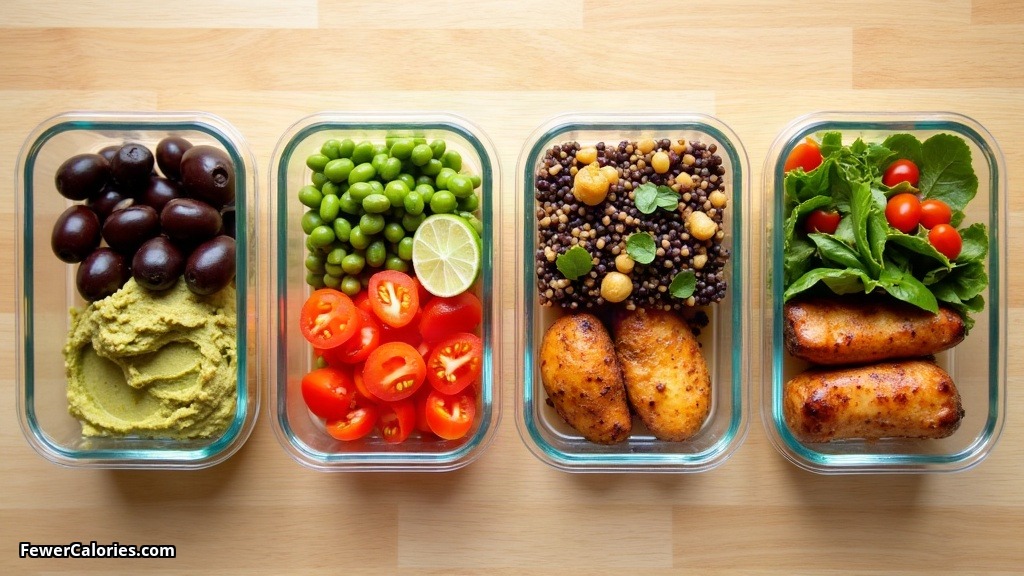
Meal prep does not have to mean eating the same three dishes on repeat all week. Theme-based meal prep gives your kitchen routine some structure and a lot of variety, letting you explore new flavors while still keeping your goals on track. Instead of starting from scratch every Sunday, you pick a theme, plan around it, and let that focus guide your shopping list, your cooking, and your creativity. Whether you are drawn to Mediterranean bowls, protein-forward plates, or budget-friendly batch cooking, this approach turns healthy eating into something you look forward to rather than a task to get through. Here is how to build a theme-based meal prep routine that keeps your meals satisfying, your kitchen efficient, and your week interesting.
Meal Prep Basics
Benefits of meal prep
Meal prep is a game-changer when it comes to eating healthier and saving time in the kitchen. By dedicating a few hours each week to meal prep, you can ensure that you always have nutritious meals ready to go. One of the biggest benefits of meal prep is the ability to control your portions and ingredients, which is crucial for weight loss. Additionally, meal prepping saves you money by avoiding the temptation of ordering takeout or buying convenience foods. It also reduces food waste since you'll be using up all the ingredients you bought. Overall, meal prep sets you up for success by making it easier to stick to your healthy eating goals.
Tools and equipment needed for meal prep
To get started with meal prep, you'll need a few essential tools and equipment. First and foremost, invest in a set of high-quality food storage containers in various sizes. These containers will allow you to portion out your meals and keep them fresh in the fridge or freezer. You'll also need a good set of knives for chopping and slicing ingredients, as well as cutting boards for a hygienic food prep area. Other handy tools include measuring cups and spoons, a blender or food processor for making sauces or smoothies, and a slow cooker or Instant Pot for convenient cooking. Having these tools on hand will make your meal prep experience more efficient and enjoyable.
Tips for successful meal prep
Successful meal prep is all about planning and organization. Here are some tips to help you make the most out of your meal prep sessions:
- Start by creating a meal plan for the week. Decide on the number of meals and snacks you want to prepare, and choose recipes accordingly.
- Make a detailed shopping list and stick to it. This will help you avoid impulse buys and unnecessary spending.
- Set aside a specific time each week for meal prep. Treat it as an appointment with yourself and prioritize it.
- Cook in batches to save time. Prepare large quantities of grains, proteins, and veggies that can be used in multiple meals throughout the week.
- Use versatile ingredients that can be easily transformed into different dishes. For example, roasted vegetables can be eaten as a side dish one day and turned into a salad the next.
- Don't forget about snacks! Prepare healthy snacks like cut-up fruits, veggie sticks with hummus, or homemade energy bars to curb your cravings between meals.
- Keep your meals interesting by varying the flavors and textures. Experiment with herbs, spices, and different cooking methods to add variety to your meals.
By following these tips, you'll be well on your way to mastering the art of meal prep and enjoying the benefits it brings to your health and lifestyle.
Theme-Based Meal Planning
Why choose theme-based meal planning
Theme-based meal planning takes the concept of meal prep to the next level by adding an element of creativity and excitement. Instead of preparing individual meals, you focus on a specific theme for each week or month. This approach allows you to explore different cuisines, flavors, and ingredients, which can help prevent mealtime boredom and keep you motivated to stick to your healthy eating goals. Theme-based meal planning also helps you streamline your grocery shopping and ingredient list since you'll be focused on a particular theme. It adds a sense of novelty and fun to your meal prep routine, making healthy eating an enjoyable and sustainable lifestyle choice.
How to choose a theme for your meal prep
Choosing a theme for your meal prep can be as simple or as intricate as you want it to be. Start by considering your personal preferences and dietary goals. Do you prefer plant-based meals, or are you looking to incorporate more lean protein into your diet? Are you trying to eat more whole grains or following a specific dietary pattern like gluten-free or low-carb? Once you have a general idea of your preferences, you can narrow down your options. Consider exploring different cuisines such as Mediterranean, Asian, or Mexican. You can also choose themes based on seasonal produce or specific ingredients like seafood or legumes. The key is to choose something that excites you and aligns with your goals, taste preferences, and dietary needs.
Popular theme ideas for meal prep
Here are some popular theme ideas that can inspire your meal prep sessions:
- Plant-Based Paradise: Embrace the goodness of fruits, vegetables, legumes, and whole grains. Experiment with hearty salads, grain bowls, and plant-based proteins like tofu or tempeh.
- Protein Power: Focus on lean proteins like chicken, turkey, fish, and beans. Prepare versatile protein sources that can be used in salads, wraps, or stir-fries throughout the week.
- Whole Grain Wonderland: Explore a variety of whole grains, such as quinoa, brown rice, and barley. Create colorful grain bowls and wholesome grain-based salads.
- One-Pot Wonders: Simplify your meal prep by focusing on one-pot meals. Prepare comforting dishes like stews, soups, or casseroles that are both delicious and easy to make.
- Slow Cooker and Instant Pot Magic: Let your slow cooker or Instant Pot do the work for you. Prepare flavorful and tender meals with minimal effort.
- Quick and Easy: Perfect for busy individuals, this theme focuses on meals that can be whipped up in 20 minutes or less. Opt for simple stir-fries, grain salads, or sheet pan dinners.
- Gluten-Free Goodness: If you have dietary restrictions or are looking to explore gluten-free options, this theme is for you. Discover delicious recipes using gluten-free grains and alternative flours.
- Dairy-Free and Vegan Delights: Explore the world of dairy-free and vegan cooking. Prepare creamy plant-based sauces, plant-based proteins, and dairy-free desserts.
- Low-Carb and Keto-Friendly: For those following a low-carb or keto diet, explore recipes that are low in carbohydrates but high in healthy fats and proteins.
These are just a few examples, but the possibilities are endless. Choose a theme that excites you and aligns with your dietary goals and preferences.
Planning and Preparation
Creating a meal prep schedule
A meal prep schedule is the key to staying organized and efficient in the kitchen. Start by dedicating some time to plan your meals for the week. Consider your schedule and any events or activities that may impact your mealtime. Once you have a clear idea of the number of meals you need to prep, decide on a day and time that works best for you. This could be a Sunday afternoon or an evening after work. Mark it on your calendar and treat it as a non-negotiable appointment with yourself. Block off enough time to cover meal planning, grocery shopping, and cooking. Having a designated meal prep day will save you time and stress during the rest of the week.
Gathering recipes and ingredients
Once you have your meal prep schedule in place, it's time to gather recipes and create your shopping list. Start by browsing through cookbooks, websites, or online recipe collections. Look for recipes that align with your chosen theme or dietary preferences. Make sure to select a mix of breakfasts, lunches, dinners, and snacks that offer a good balance of nutrients. Once you have chosen your recipes, compile a list of ingredients needed for each meal and cross-reference it with what you already have in your pantry. Note down any additional items you'll need to buy to ensure you have everything on hand for your meal prep session.
Organizing your kitchen for efficient meal prep
Before diving into your meal prep, take a few moments to organize your kitchen for maximum efficiency. Clear off your countertops and clean your work area thoroughly. Make sure you have all the necessary utensils, pots, and pans readily available. Arrange your ingredients in a logical order, starting with the ones you'll need first. A well-organized kitchen will save you time and frustration as you move through your meal prep tasks. Keep your cutting boards, knives, and other prep tools within easy reach. Consider grouping similar ingredients together to streamline your workflow. The goal is to have everything organized and easily accessible so that you can focus on the actual cooking and assembly of meals.
Healthy and Nutritious Themes
Plant-based meal prep
A plant-based meal prep theme focuses on nourishing your body with an abundance of fruits, vegetables, legumes, and whole grains. Plant-based meals are rich in fiber, vitamins, minerals, and antioxidants while being naturally low in saturated fat and cholesterol. Begin by planning meals centered around colorful salads, roasted or grilled vegetables, and hearty grain bowls. Experiment with different plant-based proteins like tofu, tempeh, chickpeas, and lentils. Prepare large quantities of grains, such as quinoa or brown rice, and cook batches of beans or legumes for added protein and fiber. Use these versatile components to create different meals throughout the week, from nourishing Buddha bowls to satisfying wraps or stir-fries.
Protein-packed meal prep
If you're looking to incorporate more lean proteins into your diet, a protein-packed meal prep theme is ideal. Lean proteins are essential for muscle growth, repair, and overall satiety. Begin by choosing lean meats like chicken breast, turkey breast, or fish as the main focus of your meals. Grill, bake, or roast them in advance and portion them out for easy access throughout the week. Another option is to prepare plant-based proteins like tofu, tempeh, or seitan. These can be marinated and baked ahead of time for quick and convenient meal assembly. Don't forget about eggs, cottage cheese, Greek yogurt, and legumes as additional sources of protein. Incorporate protein into each meal by pairing it with a variety of veggies and whole grains for a balanced and satisfying plate.
Whole-grain focused meal prep
Whole grains are packed with fiber, vitamins, minerals, and phytochemicals that support overall health and digestion. By choosing a whole-grain-focused meal prep theme, you can enjoy the benefits of these nutrient-rich foods. Begin by exploring a variety of whole grains like quinoa, brown rice, barley, farro, or bulgur. Cook larger batches and store them in the fridge or freezer for easy access. Create colorful grain bowls by topping them with roasted vegetables, lean proteins, and flavorful dressings. Prepare wholesome grain-based salads using a mix of grains, colorful veggies, herbs, and a tangy vinaigrette. By incorporating more whole grains into your meal prep, you'll boost your fiber intake and feel satisfied with each meal.
Time-saving Themes
One-pot meal prep
When time is of the essence, one-pot meal prep is a real lifesaver. This theme revolves around preparing delicious meals that require minimal cleanup. One-pot dishes typically involve cooking all the ingredients together in a single pot or pan, resulting in a flavorful and complete meal. Think comforting stews, stir-fries, or pasta dishes that can be prepared in a large pot or skillet. By focusing on one-pot recipes, you'll save time on cooking and reduce the number of dirty dishes. It's a win-win situation that allows you to enjoy a delicious, nutritious meal without spending hours in the kitchen.
Slow cooker and Instant Pot meal prep
If you're a fan of hands-off cooking and tender, flavorful meals, the slow cooker and Instant Pot meal prep theme is perfect for you. These kitchen appliances are designed to make your life easier and your meals more delicious. The slow cooker allows you to toss in your ingredients, set the timer, and let it work its magic while you go about your day. Perfect for soups, stews, and roasts, the slow cooker infuses flavors and delivers tender results. On the other hand, the Instant Pot is a versatile tool that combines the functions of a pressure cooker, slow cooker, rice cooker, and more. It allows for quick and efficient cooking of beans, grains, and even desserts. With these time-saving appliances, you can prep your ingredients in advance, set the timer, and come home to a delicious, ready-to-eat meal.
Quick and easy meal prep ideas
Sometimes, you need meals that can be prepared in a flash. The quick and easy meal prep theme is all about simplicity and efficiency. Start by selecting recipes that require minimal cooking time or assembly. Stir-fries, sheet pan dinners, or salads are great options. Keep your fridge stocked with pre-washed salad greens, pre-cut veggies, and cooked grains for quick salad assembly. Choose proteins that cook quickly, like shrimp, chicken tenders, or thinly sliced beef. Opt for no-cook snacks like cut-up fruits, veggie sticks, or Greek yogurt cups. With a little planning and smart ingredient selection, you can whip up healthy and satisfying meals in no time.
Budget-friendly Themes
Affordable meal prep ideas
Eating healthy on a budget is possible, and a budget-friendly meal prep theme can help you achieve it. Start by choosing cost-effective ingredients like seasonal fruits and vegetables, canned or dried beans and legumes, and affordable protein sources like eggs, chicken, or tofu. Plan your meals around these ingredients to keep your grocery bill in check. Focus on versatile recipes that use similar ingredients to minimize waste. For example, roast a whole chicken and use the leftovers in salads, sandwiches, or wraps. Look for sales and discounts, buy in bulk when possible, and consider using frozen fruits or vegetables as a budget-friendly alternative. By being mindful of your spending and planning ahead, you can enjoy healthy and delicious meals without breaking the bank.
Using leftovers creatively
Leftovers can be a goldmine for budget-friendly and time-saving meal prep. Instead of letting leftovers go to waste, get creative and give them a delicious makeover. For example, turn yesterday's roasted chicken into a flavorful chicken salad for lunch. Transform leftover grilled vegetables into a colorful pasta salad or grain bowl. Use excess rice or quinoa to make tasty fried "rice" with added veggies and protein. The key is to think outside the box and repurpose your leftovers into new and exciting dishes. Not only will this save you money and reduce food waste, but it will also add variety to your meals throughout the week.
Batch cooking and freezing meals
Batch cooking and freezing meals is a great strategy for stretching your budget and saving time in the long run. This approach involves cooking large quantities of meals and storing them in portioned containers in the freezer for later use. Choose recipes that freeze well, such as soups, stews, casseroles, or chili. Cook up a big batch and divide it into individual portions for easy grab-and-go meals. This method not only saves you money by reducing the need for takeout or convenience foods, but it also allows you to take advantage of bulk-buying discounts and seasonal produce. Simply thaw and reheat your frozen meals whenever you need them, and you'll have a delicious and nutritious option ready to enjoy.
Specific Dietary Needs
Gluten-free meal prep
For individuals with gluten sensitivities or celiac disease, following a gluten-free meal prep theme is essential. This approach ensures that your meals are safe and free from gluten-containing ingredients like wheat, barley, and rye. Begin by familiarizing yourself with gluten-free grains and flours like quinoa, rice, amaranth, and chickpea flour. Opt for gluten-free alternatives to bread, pasta, and other staple foods. Plan meals that feature naturally gluten-free ingredients like fruits, vegetables, lean proteins, and legumes. Make sure to read labels and double-check ingredients to avoid any hidden sources of gluten. With a little planning and creativity, you can enjoy a well-rounded and delicious gluten-free meal prep experience.
Dairy-free and vegan meal prep
If you follow a dairy-free or vegan lifestyle, a dairy-free and vegan meal prep theme will best suit your needs. This approach focuses on plant-based ingredients and avoids all animal products, including meat, dairy, and eggs. Begin by selecting a wide variety of plant-based proteins like tofu, tempeh, seitan, and legumes to ensure you meet your nutritional needs. Use plant-based alternatives to dairy products like nut milks, coconut milk, or oat milk in your recipes. Incorporate plenty of fruits, vegetables, whole grains, and nuts to provide a good balance of vitamins, minerals, and healthy fats. Explore dairy-free and vegan cooking techniques and recipes to keep your meals exciting and flavorful.
Low-carb and keto-friendly meal prep
For those following a low-carb or ketogenic diet, a low-carb and keto-friendly meal prep theme is the way to go. This approach centers around minimizing carbohydrate intake and focusing on healthy fats and moderate protein. Choose recipes that are low in carbohydrates but high in nutrient density. Load up on non-starchy vegetables, leafy greens, high-quality proteins, and healthy fats like avocado, nuts, and olive oil. Avoid grains, legumes, starchy vegetables, and added sugars. Plan your meals around protein sources like eggs, poultry, fish, or tofu and pair them with generous portions of low-carb vegetables. Incorporating this theme into your meal prep routine will ensure that you stay in ketosis and reach your low-carb or keto goals.
Kid-Friendly Meal Prep
Healthy and appealing meal ideas for kids
Making healthy and appealing meals for kids can be a challenge, but with a kid-friendly meal prep theme, you can create nutritious meals that your little ones will love. Start by involving your children in the meal planning process. Ask them for their favorite fruits, vegetables, and proteins and incorporate them into the meal prep menu. Think creative and fun recipes like mini fruit skewers, veggie-packed smoothies, or homemade chicken nuggets with a nutritious twist. Focus on colorful and visually appealing meals to entice kids to eat their veggies. Incorporate kid-friendly dips and sauces for added flavor. By making mealtime enjoyable and involving your children in the process, you can nurture their love for healthy food.
Getting kids involved in meal prep
Getting kids involved in meal prep not only teaches them valuable life skills, but it also increases their willingness to try new foods and be active participants in their own health and nutrition. Assign age-appropriate tasks to your children, such as washing fruits and vegetables, stirring ingredients, or assembling salads or wraps. Let them choose ingredients or add toppings to personal-sized pizzas or build their own healthy snack packs. Encourage creativity and exploration by allowing them to choose new recipes to try and helping with meal planning. By making meal prep a family affair, you not only save time but also foster a positive relationship with food and health.
Packing school lunches
Packing nutritious school lunches is an essential component of kid-friendly meal prep. Start by planning ahead and involving your children in the process. Set aside time each evening or morning to prepare their lunchboxes together. Focus on a balance of protein, carbohydrates, and healthy fats. Opt for whole-grain bread or wraps, lean proteins like chicken, turkey, or cheese, and a variety of colorful fruits and vegetables. Pack healthy snacks like cut-up fruits, veggie sticks, yogurt cups, or homemade energy bars. Consider portioning out trail mix or crackers in reusable containers to avoid single-use packaging. Don't forget to include a reusable water bottle to keep your kids hydrated throughout the day. By packing nutritious and appealing school lunches, you'll set your children up for a successful day of learning and growth.
Weight Loss-Focused Themes
Portion control and calorie tracking
When it comes to successful weight loss, portion control and calorie tracking are crucial. A portion control and calorie tracking meal prep theme helps you stay on track with your calorie goals by preparing meals in the right sizes and quantities. Invest in food storage containers that are labeled with portion sizes to avoid overeating. Measure your ingredients carefully to ensure accuracy, particularly when it comes to calorie-dense items like oils and nuts. Use food tracking apps or journals to log your meals and keep an eye on your calorie intake. By practicing portion control and tracking your calories, you can create a calorie deficit and achieve your weight loss goals.
Incorporating lean proteins and vegetables
Incorporating lean proteins and vegetables into your meal prep is key to weight loss. Lean proteins help build and maintain muscle mass, which is essential for boosting your metabolism. Include proteins like skinless chicken breast, turkey, fish, tofu, or legumes in your meal plan. Vegetables are low in calories but high in fiber, which helps keep you full and satisfied. Make sure to incorporate a variety of colorful, non-starchy vegetables like broccoli, spinach, bell peppers, and zucchini into your meals. Aim to fill half of your plate with vegetables and the remaining half with lean proteins and whole grains. By focusing on these nutrient-dense foods, you'll nourish your body and support your weight loss efforts.
Creating balanced and satisfying meals
Creating balanced and satisfying meals is key to achieving and maintaining weight loss. Focus on meals that combine lean proteins, whole grains, and vegetables to create a well-rounded plate. Include a mix of plant and animal proteins, such as chicken, beef, tofu, quinoa, or lentils, to meet your protein needs. Choose whole grains like brown rice, quinoa, or whole wheat pasta for added fiber and sustained energy. Load up on colorful, non-starchy vegetables to bulk up your meals and add essential vitamins and minerals. Incorporate healthy fats like avocado, nuts, or olive oil in moderation for satiety and flavor. By creating balanced and satisfying meals, you'll feel nourished and satisfied while still working towards your weight loss goals.
Essential Meal Prep Tips
Proper food storage and safety
Proper food storage and safety practices are essential for successful and safe meal prep. Here are some tips to keep in mind:
- Invest in a set of high-quality food storage containers that are leak-proof and microwave-safe.
- Allow hot foods to cool down before placing them in the refrigerator or freezer to prevent bacterial growth.
- Store raw meats, seafood, and poultry on the lowest shelf of your refrigerator to avoid cross-contamination.
- Label and date your containers to keep track of the freshness of your meals.
- Utilize the "first in, first out" method by placing newer meals behind older ones to ensure you're using up meals in a timely manner.
- Keep perishable items like dairy, deli meats, and leftovers at or below 40°F to prevent spoilage.
- Rinse and dry your produce thoroughly before storing it in the fridge to maintain freshness.
- Use freezer-safe containers or resealable bags to store meals in the freezer.
- Thaw frozen meals in the refrigerator overnight or use the defrost function on your microwave.
By following these food storage and safety practices, you'll ensure that your meal prepped food remains fresh, delicious, and safe to eat.
How to prevent meal prep burnout
Meal prep burnout can happen when you feel overwhelmed or bored with your meal prep routine. Here are some strategies to prevent burnout and keep your meal prep exciting:
- Change up your themes and recipes regularly to keep your meals interesting and diverse.
- Explore new cuisines, cooking techniques, or ingredient combinations to add variety to your meals.
- Involve family or friends in your meal prep sessions to make it a social and enjoyable activity.
- Join meal prep communities or follow inspiring meal prep accounts on social media for fresh ideas and inspiration.
- Batch cook staple ingredients like grains or proteins and freeze them for future use on busy days or when you need a break from cooking.
- Plan a "no-cook" meal prep day where you simply assemble meals from pre-prepped ingredients like cut-up fruits, veggies, and pre-cooked proteins.
- Treat yourself to a meal out or order takeout occasionally to give yourself a break from cooking.
By implementing these strategies, you'll prevent meal prep burnout and maintain your enthusiasm for healthy eating.
Meal prep for long-term success
Meal prep is not just a short-term solution but a long-term lifestyle habit that can lead to lasting success with your health and weight loss goals. Here are some valuable tips for achieving long-term meal prep success:
- Make meal prep a priority and schedule it into your weekly routine. Treat it as a non-negotiable activity that benefits your health and saves you time.
- Embrace flexibility in your meal prep routine. Don't be too rigid with your meal plan and allow for improvisation or adjustments based on your changing tastes or circumstances.
- Reflect on your progress and celebrate your achievements. Acknowledge the positive impact meal prep has had on your health, weight, and overall well-being.
- Seek support from friends, family, or online communities. Share your meal prep triumphs and challenges, and learn from others who are on a similar journey.
- Continuously learn and expand your culinary skills. Try new recipes, experiment with different flavors, and embrace the joy of cooking.
- Practice mindful eating by savoring each bite and being present during your meals. Pay attention to hunger and fullness cues and eat with intention and gratitude.
- Remember that consistency is key. Even if your meal prep sessions aren't perfect every time, the key is to keep showing up and making an effort towards your goals.
By adopting these long-term strategies, meal prep will become a sustainable habit that contributes to your overall health and well-being in the years to come.
Related on FewerCalories.com
- Meal Prep 101: A Guide for Beginners
- Navigating the Grocery Store for Healthier Choices
- calorie calculators
If you love the idea of theme-based eating but want everything planned out for you, check out Knack For Nutrition. Our meal plan eBooks are built around satisfying, balanced themes so you get the variety and structure without the planning work.
© 2026 by Fewercalories.com. All rights reserved. No part of this document may be reproduced, transmitted, copied, or distributed in any form or by any means, electronic, mechanical, photocopying, recording, or otherwise, without the prior written permission of the copyright holder.
Disclaimer: This article is for informational purposes only and is not intended as medical or nutritional advice. Always consult a qualified healthcare provider before making significant changes to your diet.